Jute vs Wool vs Polypropylene Oval Rugs
By Mike Teofilo · Updated October 2026
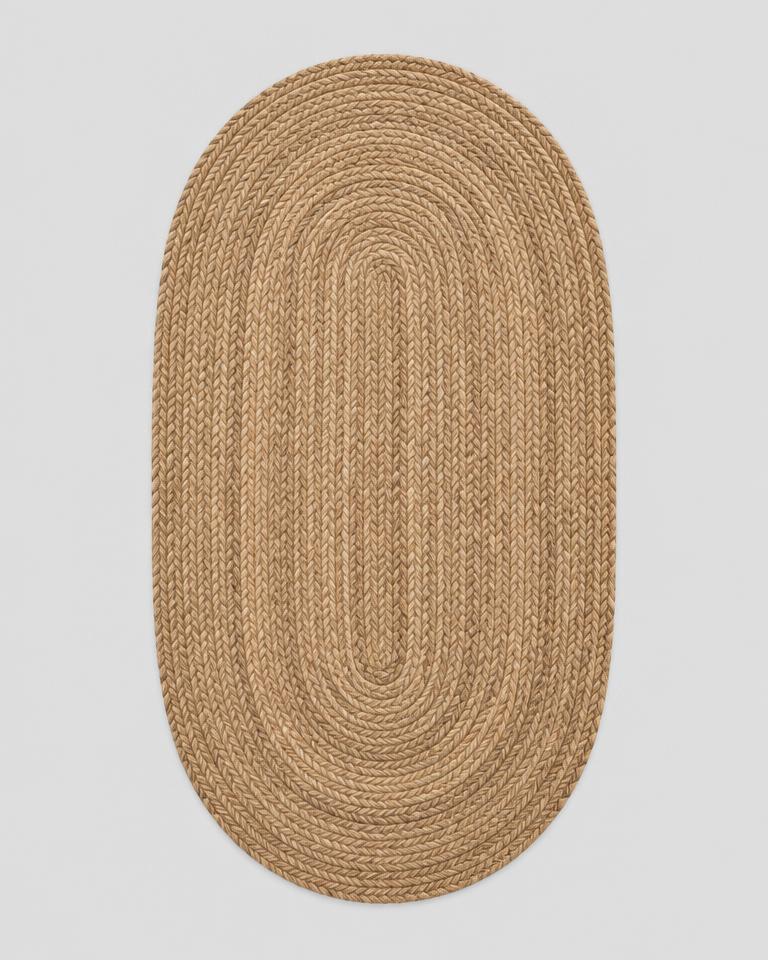
Most oval rugs are made from one of six materials. Each one has a clear strength and a clear weakness. Pick the material for the room first, then the colour.
Quick comparison
| Material | Feel | Durability | Water and spills | Price | Best rooms |
|---|---|---|---|---|---|
| MaterialJute | FeelCoarse, textured | DurabilityModerate | Water and spillsPoor: water stains it | PriceLow to mid | Best roomsLiving rooms, bedrooms, dry areas |
| MaterialSisal | FeelFirm, scratchy | DurabilityHigh | Water and spillsPoor: water marks badly | PriceMid | Best roomsOffices, low-spill living areas |
| MaterialWool | FeelSoft, springy | DurabilityHigh | Water and spillsFair: resists soil but dries slowly | PriceMid to high | Best roomsLiving rooms, bedrooms, dining rooms |
| MaterialCotton | FeelSoft, flat | DurabilityModerate | Water and spillsFair: small ones are often washable | PriceLow to mid | Best roomsKitchens, bedrooms, kids' rooms |
| MaterialPolyester | FeelSoft | DurabilityModerate | Water and spillsGood | PriceLow | Best roomsWashable rugs, kids' rooms |
| MaterialPolypropylene | FeelSmooth to firm | DurabilityModerate to high | Water and spillsVery good | PriceLow | Best roomsKitchens, entries, outdoors, pets |
Jute
Jute is a plant fibre with a natural, earthy look. It is the classic material for braided ovals.
- Good: affordable, textured, works with almost any style.
- Watch for: sheds at first, coarse under bare feet, and water leaves permanent brown stains.
- Use it: in dry rooms with light to moderate traffic.
Browse jute oval rugs.
Sisal
Sisal is a stiffer plant fibre than jute and harder wearing. It is less common in ovals. Like jute, it does not like water.
Wool
Wool is the premium choice for rugs that get walked on every day.
- Good: soft, resilient, naturally resists dirt, and lasts for years.
- Watch for: sheds for the first few months, costs more, and can be slow to dry.
- Use it: in living rooms, bedrooms and dining rooms.
Browse wool oval rugs.
Cotton
Cotton is soft and light, and it is common in braided and flatweave ovals.
- Good: soft, often reversible, and small sizes are often machine washable.
- Watch for: wears faster than wool and flattens over time.
- Use it: in kitchens, bathrooms, bedrooms and kids' rooms.
Polyester
Polyester takes printed colour well, which is why most washable rugs are polyester. It is soft and inexpensive but less hard-wearing than wool.
Polypropylene
Polypropylene (also called olefin) is a plastic fibre built to resist water, stains and fading.
- Good: handles spills, sun and pets; many are indoor/outdoor and can be hosed off.
- Watch for: feels less natural than wool, and the pile can crush under heavy furniture.
- Use it: in kitchens, entryways, mudrooms, porches and pet-heavy homes.
Browse polypropylene oval rugs or indoor/outdoor ovals.
Blends
Many rugs mix materials, for example wool with jute for a softer natural rug, or polypropylene with polyester for a softer synthetic. A blend usually takes on the weaknesses of its weakest fibre: a wool-jute rug still shouldn't get soaked.
How to choose
- Spills or pets? Polypropylene or a washable polyester.
- Softness and longevity? Wool.
- Natural look on a budget? Jute, in a dry room.
- Washable kitchen or bath rug? Cotton or a washable flatweave in a small size.
FAQ
Is jute or wool better for an oval rug?
Wool is softer and more durable. Jute costs less and has a natural texture but stains with water. In a busy living room, wool. In a dry, low-traffic room, jute is fine.
Are polypropylene rugs good quality?
They are practical rather than luxurious. They resist stains, water and fading well, which makes them a good choice for kitchens, entries and outdoors.
Do jute rugs shed?
Yes, especially when new. Shedding settles down with regular vacuuming over the first few weeks.